

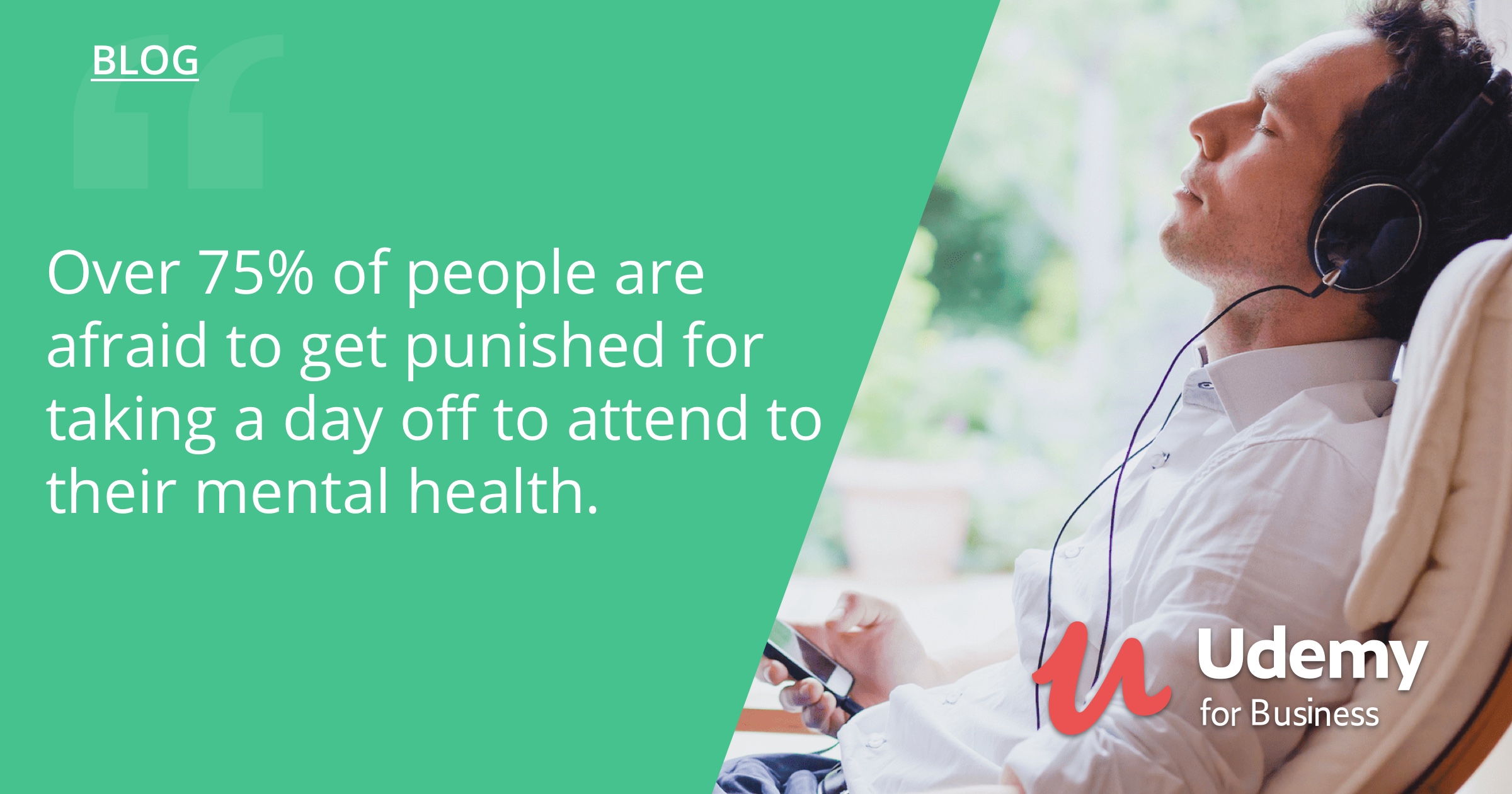
Mental health encompasses a broad spectrum of emotional, psychological, and social well-being. It influences how individuals think, feel, and act, shaping their ability to handle stress, relate to others, and make choices. The World Health Organization defines mental health as a state of well-being in which every individual realizes their potential, can cope with the normal stresses of life, can work productively and fruitfully, and is able to contribute to their community.
This definition underscores the importance of mental health not just as the absence of mental illness but as a vital component of overall health. The complexities of mental health are often misunderstood, leading to stigma and misconceptions. Mental health disorders can manifest in various forms, including anxiety disorders, mood disorders, personality disorders, and psychotic disorders.
Each of these categories encompasses a range of specific conditions that can affect individuals differently. For instance, postgraduate courses in mental health show that anxiety disorders may include generalized anxiety disorder, panic disorder, and social anxiety disorder, each presenting unique symptoms and challenges. Understanding these nuances is crucial for fostering empathy and support for those experiencing mental health issues.
Managing Stress and Anxiety: Techniques for a Healthier Mind
Stress and anxiety are common experiences in today’s fast-paced world, often triggered by work pressures, personal relationships, or significant life changes. Effective management of these feelings is essential for maintaining mental health. One widely recognized technique is cognitive-behavioral therapy (CBT), which focuses on identifying and challenging negative thought patterns that contribute to stress and anxiety.
By reframing these thoughts, individuals can develop healthier perspectives and coping strategies. In addition to therapeutic approaches, practical techniques such as deep breathing exercises and progressive muscle relaxation can significantly alleviate stress. Deep breathing involves inhaling deeply through the nose, holding the breath for a few seconds, and exhaling slowly through the mouth.
This simple practice of mastering mindfulness can activate the body’s relaxation response, reducing heart rate and promoting a sense of calm. Progressive muscle relaxation, on the other hand, involves tensing and then relaxing different muscle groups in the body, helping to release physical tension that often accompanies stress.
Building Resilience: Overcoming Adversity and Challenges
Resilience is the ability to bounce back from adversity, trauma, or significant stressors. It is not an innate trait but rather a skill that can be developed over time through experience and intentional practice. Building resilience involves fostering a mindset that embraces challenges as opportunities for growth rather than insurmountable obstacles.
One effective way to cultivate resilience is through the practice of self-reflection. By examining past experiences and identifying what strategies helped in overcoming difficulties, individuals can create a toolkit of coping mechanisms for future challenges. Social support also plays a critical role in resilience.
Having a network of friends, family, or colleagues who provide encouragement and understanding can make a significant difference during tough times. Engaging in community activities or support groups can enhance feelings of belonging and connectedness, which are vital for emotional strength. Moreover, developing problem-solving skills can empower individuals to approach challenges with confidence, enabling them to navigate life’s ups and downs more effectively.
Cultivating a Positive Mindset: Strategies for Optimism and Happiness
A positive mindset is essential for overall well-being and can significantly impact one’s quality of life. Cultivating optimism involves consciously shifting one’s perspective to focus on the positive aspects of situations rather than dwelling on negatives. One effective strategy for fostering a positive mindset is practicing gratitude.
Keeping a gratitude journal where individuals regularly write down things they are thankful for can enhance feelings of happiness and contentment. Research has shown that gratitude practices can lead to improved mental health outcomes by promoting positive emotions and reducing feelings of depression. Another powerful technique is visualization, which involves imagining oneself achieving goals or experiencing positive outcomes.
This practice not only boosts motivation but also helps individuals develop a clearer sense of purpose. Engaging in activities that bring joy—such as hobbies, exercise, or spending time with loved ones—can also reinforce a positive outlook on life. By intentionally focusing on what brings happiness and fulfillment, individuals can create a more optimistic narrative about their lives.
Enhancing Emotional Intelligence: Developing Self-Awareness and Empathy
Emotional intelligence (EI) refers to the ability to recognize, understand, and manage one’s own emotions while also being attuned to the emotions of others. Developing EI is crucial for effective communication and building strong relationships. Self-awareness is the cornerstone of emotional intelligence; it involves recognizing one’s emotional triggers and understanding how emotions influence behavior.
Techniques such as journaling or mindfulness meditation can enhance self-awareness by encouraging individuals to reflect on their feelings and reactions in various situations. Empathy is another vital component of emotional intelligence. It allows individuals to connect with others on a deeper level by understanding their feelings and perspectives.
Practicing active listening—where one fully engages with what another person is saying without interrupting or formulating a response—can significantly enhance empathetic skills. By validating others’ emotions and showing genuine interest in their experiences, individuals can foster stronger interpersonal connections and create an environment of trust and support.
Coping with Depression: Tools for Healing and Recovery
Depression is a complex mental health condition that affects millions worldwide, characterized by persistent feelings of sadness, hopelessness, and a lack of interest in activities once enjoyed. Coping with depression requires a multifaceted approach that may include therapy, medication, lifestyle changes, and self-care practices. Cognitive-behavioral therapy (CBT) has proven effective in treating depression by helping individuals identify negative thought patterns and replace them with more constructive ones.
In addition to professional treatment, self-care strategies play a crucial role in managing depression. Regular physical activity has been shown to have antidepressant effects due to the release of endorphins—chemicals in the brain that act as natural mood lifters. Engaging in creative activities such as art or music can also provide an emotional outlet and foster feelings of accomplishment.
Furthermore, establishing a routine can provide structure and stability during times when motivation may be lacking.
Navigating Relationships: Communication and Conflict Resolution Skills
Healthy relationships are fundamental to mental well-being; however, they often require effort and skillful communication to thrive. Effective communication involves not only expressing one’s thoughts clearly but also actively listening to others. Utilizing “I” statements—such as “I feel” or “I need”—can help convey feelings without placing blame or creating defensiveness in conversations.
This approach fosters open dialogue and encourages mutual understanding. Conflict resolution skills are equally important in maintaining healthy relationships. When disagreements arise, it is essential to approach them constructively rather than allowing them to escalate into arguments.
Techniques such as finding common ground or compromising can help resolve conflicts amicably. Additionally, taking breaks during heated discussions can prevent escalation by allowing both parties time to cool down before revisiting the issue with a clearer mindset.
Mindfulness and Meditation: Practices for Inner Peace and Clarity
Mindfulness and meditation are powerful practices that promote mental clarity and emotional stability by encouraging individuals to focus on the present moment without judgment. Mindfulness involves being fully aware of one’s thoughts, feelings, bodily sensations, and surrounding environment while maintaining an attitude of acceptance. This practice can be integrated into daily life through simple techniques such as mindful breathing or mindful eating—where one pays full attention to the experience of eating without distractions.
Meditation takes mindfulness a step further by providing structured time for reflection and relaxation. Various forms of meditation exist, including guided meditation, loving-kindness meditation, and transcendental meditation, each offering unique benefits for mental health. Regular meditation practice has been linked to reduced symptoms of anxiety and depression while enhancing overall emotional well-being.
By incorporating mindfulness into daily routines, individuals can cultivate greater inner peace and resilience against life’s challenges.
