

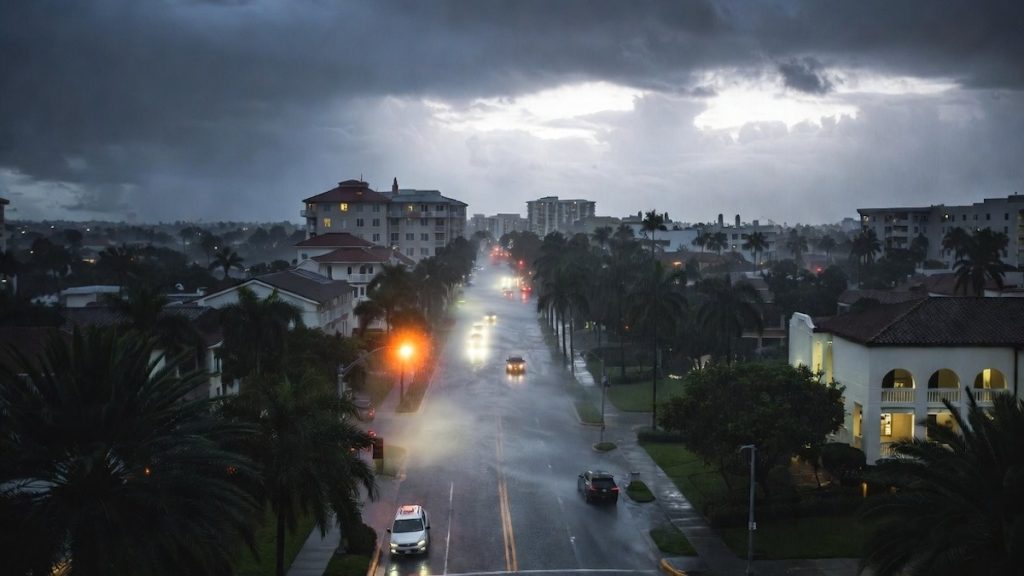
Intense rainfall systems that moved through Palm Beach County in early April have triggered widespread reports of water intrusion and subsequent mold issues for homeowners across West Palm Beach. The city’s diverse housing stock—ranging from historic Flagler-era homes in El Cid and Flamingo Park to mid-century ranches in Pleasant City and modern high-rises and townhomes along the Intracoastal and downtown corridors—faces unique challenges when heavy tropical downpours strike. West Palm Beach’s location at the crossroads of coastal breezes and urban heat island effects often amplifies humidity, allowing moisture that enters a structure to linger and foster mold growth far more quickly than in drier climates.
Local contractors, remediation, and restoration specialists note that early intervention remains the most effective way to protect property and maintain healthy indoor environments in this vibrant South Florida city.
Contain The Water Intrusion ASAP
Homeowners should promptly locate and isolate any active leaks. Using a bright flashlight, inspect attics and crawl spaces for telltale signs such as darkened roof sheathing, wet insulation, or water stains spreading across ceiling joists. Quick exterior patches using durable roof sealant or heavy-duty underlayment can buy critical time until a licensed roofer arrives.
Indoors, move belongings away from affected zones, deploy towels or moisture barriers on floors, and set the air conditioning to around 68°F while positioning fans to accelerate drying. In West Palm Beach’s humid subtropical conditions, every hour of standing water increases the likelihood of microbial growth.
Identifying Any Hidden Water Leaks
Water frequently finds its way inside through aging window frames, sliding glass doors, and worn flashing, especially on east-facing elevations exposed to salt air from the nearby Atlantic. Residents should carefully check caulk lines, door thresholds for hidden dampness beneath flooring materials, and condensate drain lines from air handlers, which often clog with debris during prolonged rains.
A handheld moisture meter purchased from any local home improvement store provides an objective measurement; levels above 16 percent in drywall, baseboards, or wood framing warrant immediate further investigation.
Addressing The Mold Issues
The combination of West Palm Beach’s warmth and moisture creates ideal conditions for mold to colonize hidden spaces such as wall cavities, under cabinetry, or within HVAC systems. A persistent musty smell often signals problems not yet visible to the eye. For very small, contained patches (no larger than a dinner plate), a simple bleach-and-water solution (one cup bleach to one gallon of water) can be applied while wearing proper respiratory protection.
Following treatment, the area must dry thoroughly over at least 48 hours with dehumidifiers operating continuously, after which a quality mold-blocking primer should be used. Extensive mold, especially in older homes or those with central air systems, calls for professional inspection by certified technicians who specialize in West Palm Beach mold remediation that are well-versed in local codes and Florida’s strict indoor air quality standards.
Working with Homeowners Insurance Companies
Having clear, organized documentation strengthens your insurance claims significantly. Homeowners are advised to photograph and date all damage using their smartphones, including wide shots and close-ups of affected materials. Although most policies respond to sudden storm-related water damage, pre-existing maintenance deficiencies may limit coverage. Engaging a knowledgeable local public adjuster or reputable restoration contractor early in the process can help ensure fair evaluations.
Reviewing policy language during clear weather is a prudent step for West Palm Beach residents who have not done so recently.
Helpful Prevention Strategies for The Long-Term
Consistent upkeep offers the best protection against future storm impacts in West Palm Beach. Recommended practices include:
- Scheduling yearly professional roof inspections featuring a full walk-on evaluation to detect cracked tiles, loose or corroded flashing around penetrations, and early signs of substrate movement.
- Cleaning gutters and downspouts at least twice annually to remove accumulations of oak leaves, palm fronds, and urban debris common in the area.
- Arranging periodic maintenance for impact windows and doors to preserve seals and keep tracks free of sand and dirt, a particular concern for properties near the waterfront or in wind-prone downtown zones.
West Palm Beach’s rich mix of historic charm, urban convenience, and waterfront living makes it one of South Florida’s most desirable places to call home. However, the local climate demands proactive attention to building envelopes. By responding quickly to leaks and following sound prevention routines, homeowners can minimize disruption, control repair costs, and preserve healthy living spaces for their families.
Those noticing signs of water damage or unexplained odors should not hesitate to contact experienced local professionals who understand the distinct characteristics of West Palm Beach properties, from century-old bungalows to contemporary condominiums. Swift, informed action helps ensure homes remain dry, sound, and comfortable no matter what the Atlantic weather systems deliver.
