

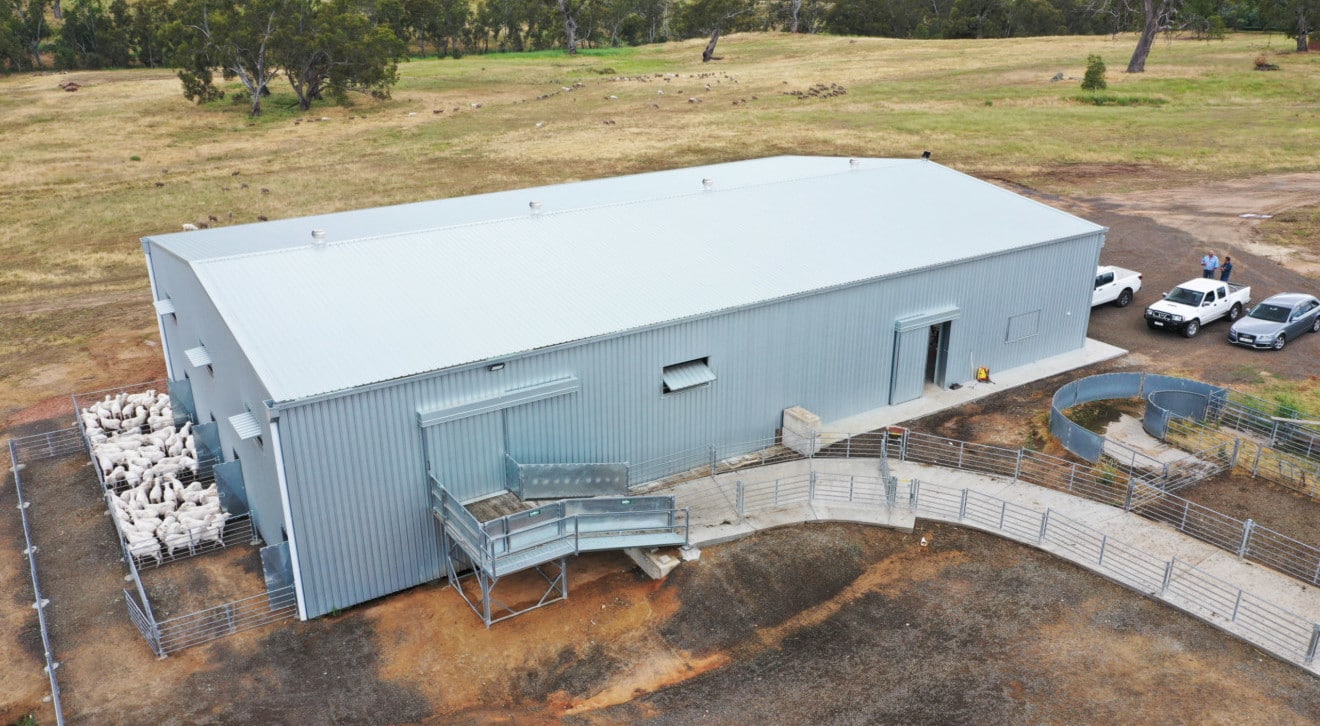
A shearing shed is far more than a simple workspace. It sits at the centre of sheep handling operations, influencing productivity, worker safety, animal movement, wool quality, and overall farm efficiency. Poor shed design can slow operations, increase labour fatigue, and create unnecessary stress for both workers and livestock. A carefully planned setup, however, can dramatically improve daily performance during busy shearing periods.
Modern agricultural operations increasingly recognise that shed functionality matters just as much as structural durability. Productivity often depends on how effectively the space supports workflow from the moment sheep enter the yard until wool handling is complete.
Why Layout Design Matters So Much
The movement of sheep, shearers, wool handlers, and equipment must work together smoothly inside a shearing shed. Congested layouts or poorly positioned work zones create delays and unnecessary physical strain throughout the day.
A strong layout supports clear movement pathways between holding areas, shearing stands, wool collection zones, and loading sections. Efficient flow reduces handling stress and allows workers to maintain better rhythm during large shearing runs.
Small design improvements can create major productivity gains over time.
Ventilation And Airflow Improve Working Conditions
Shearing environments generate heat, dust, and constant physical activity. Without proper airflow, conditions can quickly become uncomfortable and exhausting, especially during warmer seasons.
Modern sheds increasingly prioritise ventilation through open sided sections, roof ventilation systems, and strategic airflow planning. Better air circulation improves worker comfort while also helping maintain healthier conditions for livestock and wool storage.
Comfort directly affects productivity and concentration levels during long workdays.
Lighting Quality Supports Accuracy And Safety
Poor lighting increases fatigue and can affect wool quality assessment, equipment handling, and workplace safety. Natural lighting remains highly valuable in shearing shed design because it creates a clearer and more comfortable working environment.
Many modern sheds combine skylights, open wall designs, and efficient artificial lighting systems to ensure visibility remains consistent throughout the day.
Proper lighting supports both operational speed and safer movement within busy work areas.
Flooring And Drainage Influence Efficiency
Floor surfaces inside shearing sheds experience heavy use and must withstand moisture, livestock movement, and equipment traffic. Durable non slip flooring helps reduce injury risk for both workers and animals.
Drainage planning is equally important. Poor drainage can create muddy or slippery conditions that slow movement and increase maintenance requirements.
Farmers investing in well designed shearing sheds often prioritise flooring durability because it strongly influences long term operational practicality.
A clean and stable working surface improves efficiency noticeably.
Sheep Flow And Handling Areas Need Careful Planning
Low stress livestock movement plays a major role in modern shed design. Sheep should move naturally through holding pens, races, and shearing stands without excessive crowding or confusion.
Curved raceways, properly positioned gates, and clear entry points all help improve handling efficiency. Better sheep flow reduces labour pressure while helping maintain calmer animal behaviour during processing.
Efficient livestock movement benefits both productivity and welfare outcomes.
Storage And Wool Handling Space Matters
Wool handling requires sufficient room for sorting, pressing, storage, and transport preparation. Cramped or disorganised wool areas can create delays and reduce handling quality.
Modern sheds increasingly include dedicated storage zones, easy equipment access, and practical loading arrangements to streamline post shearing operations.
Organised storage systems also improve workplace safety by reducing clutter around active workspaces.
Technology And Equipment Integration
Modern shearing operations often incorporate upgraded shearing plants, electronic systems, improved wool presses, and mechanical handling equipment.
Shed design should allow space for future technology integration rather than limiting operational upgrades later. Flexible infrastructure supports long term productivity growth as farming operations evolve.
Forward planning creates stronger investment value over time.
Helpful Related Farm Infrastructure Research
Farm operators also benefit from reviewing livestock handling facility design strategies and agricultural workplace safety improvements because these related topics strengthen overall operational efficiency alongside shed planning decisions.
Broader planning supports better farm performance.
Modern Shearing Shed Design
A productive shearing shed depends on far more than structural size alone. Layout efficiency, ventilation, lighting, sheep flow, flooring quality, and practical storage all contribute directly to how effectively the operation functions during demanding periods.
Modern design focuses on creating smoother workflows, safer working conditions, and lower stress handling environments for both workers and livestock. These improvements not only support productivity but also strengthen long term operational sustainability.
Investing in smarter shed design ultimately creates a more efficient and reliable workspace capable of supporting modern sheep farming demands well into the future.
