

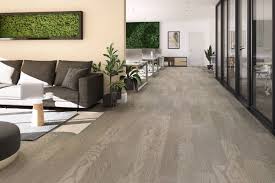
Interior design plays a major role in how customers, clients, and employees experience a commercial environment. Flooring, in particular, has a stronger influence than many businesses initially realize. It shapes first impressions, affects atmosphere, and contributes to how professional and welcoming a space feels from the moment someone walks through the door.
Timber flooring continues gaining popularity across offices, retail stores, hospitality venues, and commercial showrooms because it combines visual sophistication with long term practicality. A well chosen flooring system can completely transform the character of a business interior while supporting durability and day to day performance.
Creating Strong First Impressions
Commercial interiors are often judged within seconds. Customers immediately notice cleanliness, design quality, and overall presentation, even if subconsciously. Flooring forms a large visual surface within any space, making it one of the most influential design elements.
Timber flooring introduces warmth and professionalism that many synthetic surfaces struggle to replicate. Natural grain patterns and refined finishes help create interiors that feel both polished and inviting.
This balance is especially valuable in client facing environments where atmosphere contributes directly to customer confidence and brand perception.
Durability Matters In Commercial Environments
Commercial spaces experience far more foot traffic than residential properties, which means flooring must withstand constant daily use. Scratches, movement, spills, and heavy furniture all place pressure on surface durability.
Modern commercial timber flooring solutions are designed specifically to handle these conditions while maintaining their visual appeal over time. Advanced finishes and engineered construction methods improve resistance to wear, helping businesses maintain a professional appearance for longer periods.
Durability is not only about protection. It also influences long term maintenance costs and replacement frequency.
Supporting Different Commercial Design Styles
One reason timber flooring remains so versatile is its ability to adapt across different business environments. Contemporary offices often use lighter natural tones to create calm and collaborative spaces, while hospitality venues may prefer darker or textured finishes for a more premium atmosphere.
Retail environments frequently use timber flooring to create warmth and encourage customers to spend more time browsing comfortably.
This flexibility allows businesses to align flooring choices closely with branding and customer experience goals.
Improving Workplace Atmosphere
Interior materials influence how employees feel within a workspace. Harsh or overly industrial environments can sometimes feel cold and uninspiring, while natural materials often contribute to more welcoming surroundings.
Timber flooring introduces texture and warmth that help soften commercial interiors without sacrificing professionalism. This can positively influence comfort, morale, and overall workplace perception.
Businesses investing in commercial timber flooring often see benefits extending beyond aesthetics alone.
A thoughtfully designed environment supports both staff experience and visitor impressions.
Balancing Style With Maintenance Practicality
Commercial flooring must remain visually appealing while also being manageable to maintain. Timber flooring systems with modern protective finishes make regular cleaning and upkeep more efficient than many business owners expect.
Properly selected materials can resist daily wear while still preserving a premium appearance. Choosing the right finish and timber type plays a major role in balancing visual quality with practical operational needs.
Long term maintenance planning should always form part of the flooring decision process.
Acoustic And Comfort Benefits
Timber flooring can also contribute positively to acoustic performance depending on installation methods and underlay systems. In offices and hospitality spaces, reducing excessive noise helps create more comfortable environments.
The natural feel of timber underfoot also creates a more inviting atmosphere compared with harder industrial flooring materials.
These subtle comfort factors often influence how people experience a commercial space overall.
Helpful Related Commercial Design Research
Business owners also benefit from reviewing commercial interior acoustic design strategies and durable flooring materials for high traffic environments because these related topics help strengthen long term design planning.
Broader understanding supports smarter renovation decisions.
Commercial Timber Flooring Value
Commercial flooring should do more than simply cover a surface. It should contribute to the identity, durability, and overall experience of the business environment.
Timber flooring continues standing out because it combines visual sophistication with practical performance across a wide range of commercial applications. From creating stronger first impressions to supporting long term durability, it offers benefits that extend far beyond appearance alone.
Businesses that invest thoughtfully in flooring often create interiors that feel more professional, welcoming, and aligned with the image they want customers and employees to remember.
