

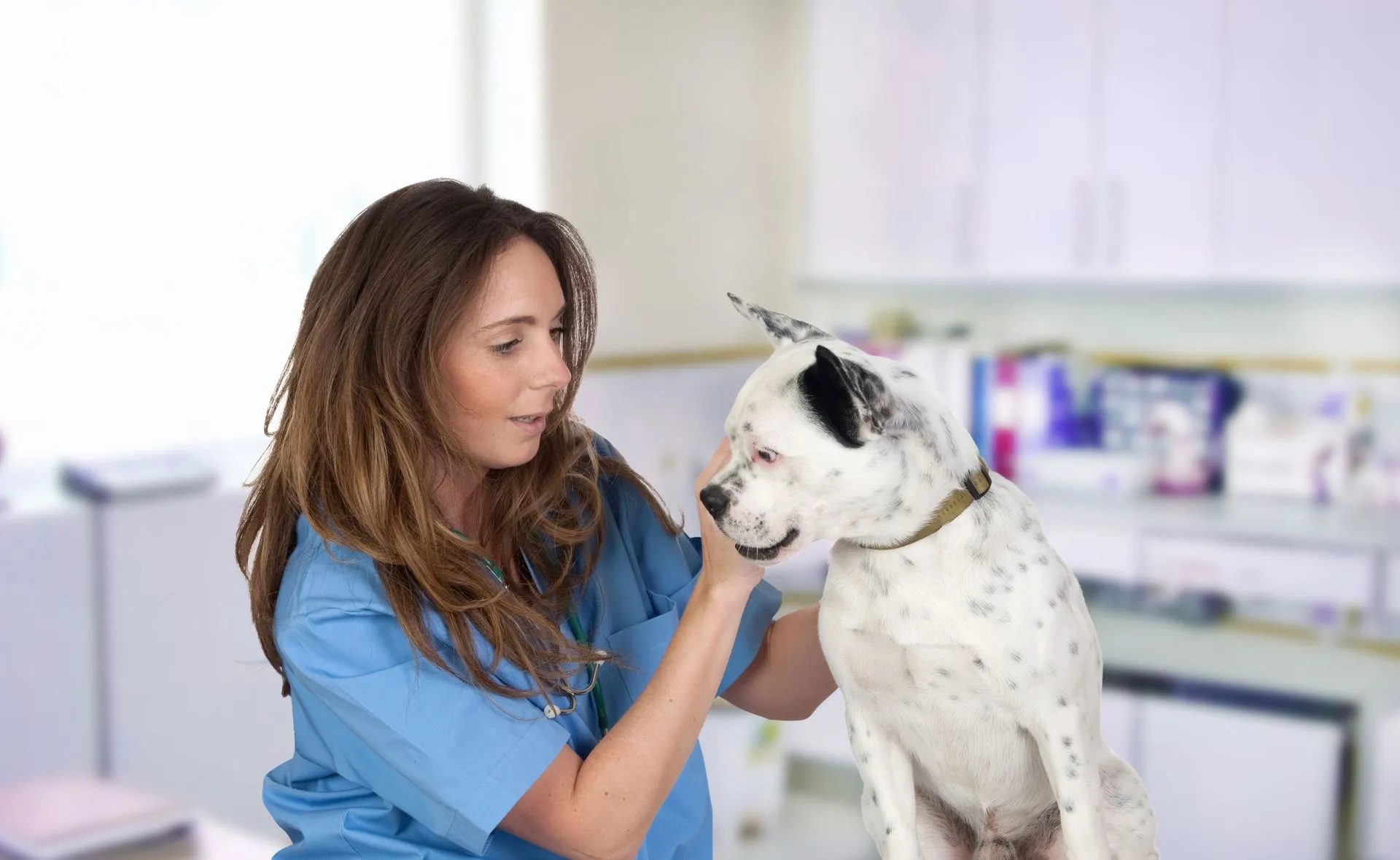
Walk into a well-planned vet clinic and the difference is obvious almost straight away. The reception feels calm, the consult rooms flow nicely, and staff seem to know exactly where everything is. No awkward shuffling, no bottlenecks near the front desk, no one hunting for supplies like it’s some sort of daily treasure hunt. That kind of setup does more than look polished. It helps people work better and makes anxious pet owners feel a lot more settled.
In Australia, where vet clinics often juggle busy morning drop-offs, emergency cases, routine vaccinations and the occasional golden retriever who thinks the waiting room is a social club, design matters a great deal. A smart fitout can take the pressure off staff while quietly improving the whole client experience. That is the sweet spot. When a clinic works properly, everyone feels it.
Why layout is never just about looks
A veterinary clinic has a lot going on at once. Reception needs to handle people and pets arriving at different speeds, consult rooms need privacy, treatment areas need to stay efficient, and storage has to be close enough to matter but tucked away enough not to clutter the place. If the layout is clumsy, staff lose time. Small delays stack up quickly. A nurse walks too far for a set of instruments. A vet waits on a computer login. A client stands unsure near the counter because there is nowhere obvious to go.
It sounds minor until it happens all day, every day. Then it becomes a proper drain.
A well-thought-out clinic layout reduces those little friction points. Staff move more naturally, tasks get done with less cross-traffic, and the whole pace of the clinic feels smoother. That matters in Melbourne, Perth, Adelaide, or a regional Queensland town where the team might be lean and every minute counts.
Staff productivity starts with movement
People often think productivity means faster typing or more appointments booked. In reality, it begins with how far someone has to walk, bend, reach, wait, or backtrack. In a veterinary setting, a smarter floor plan can shave off hundreds of tiny wasted actions across a week.
Think about treatment zones placed close to consult rooms. Or storage designed so the most-used items sit within arm’s reach, not behind three cupboards and a lucky guess. Or a lab area positioned near prep spaces so samples are moved quickly and safely. These choices sound simple, but they change the rhythm of the day in a very real way.
Staff also work better when the environment feels less chaotic. Good acoustic control, decent lighting, sensible bench heights and clear pathways all help. Nobody performs well while dodging trolley traffic and guessing where the next oxygen cylinder lives.
Common design features that help staff
- Clear zoning so public areas and clinical work areas stay separate
- Short travel paths between consults, treatment and storage
- Logical storage for frequently used medications and equipment
- Easy-clean surfaces that save time during turnover
- Quiet spots for phone calls, records and admin work
Those practical details reduce strain and help the team focus on patients instead of wrestling with the room itself. That is a big deal in practices with a high daily turnover, especially where walk-ins and urgent cases can throw the schedule off in a heartbeat.
Client satisfaction begins before the consultation
Pet owners may not know the technical side of a fitout, but they notice how a clinic feels. The moment they step inside, they are reading the space. Is it clean? Is it easy to find reception? Are there clear signs? Does the waiting area feel calm or a bit like a crowded bus stop with better lighting?
People bringing in a sick pet are usually already stressed. A cluttered or confusing clinic can make that feeling worse. A tidy entrance, a comfortable waiting area and a sensible flow from reception to consult room can make a huge difference. Clients feel guided, not left to guess. That sense of ease builds trust before a vet has even opened the chart.
There is also something quietly reassuring about a clinic that looks organised. Clients often link the way a space operates with the quality of care. Fair enough too. If a clinic feels considered, people assume the work behind the scenes is equally careful.
Privacy and calm make a real difference
Veterinary visits are not always cheerful little errands. Some are stressful. Some are sad. Some involve difficult decisions nobody wanted to make before breakfast. That is where the design of consult rooms and support areas becomes especially important.
Good acoustic separation gives staff and clients more privacy. It also helps reduce noise bleed from barking dogs, running machines and hallway traffic. A calmer acoustic environment can settle nerves a bit, which is no small thing when someone is waiting for test results or discussing treatment options.
In areas where space is limited, smart veterinary planning can still create a sense of calm through careful material choice, circulation planning and room placement. Even a modest clinic can feel far more composed when the design is doing its job quietly in the background. That is where a vet fitout really earns its keep.
Small comforts leave a lasting impression
Clients remember the little things. A seat that is actually comfortable. A place to park a pram without blocking the corridor. A water bowl for the dog that is not wedged beside the door. A clear, friendly check-in process. These details sound ordinary, but they shape how people feel about the clinic.
For staff, the same is true. A good staff room, sensible amenities and properly planned back-of-house areas help the team reset between appointments. That matters in clinics where the days are long and the emotional load can be heavy. A decent break space is not a luxury. It helps people stay steady and present for the next patient.
Design touches clients quietly appreciate
Some clinic features work almost like good manners. They are not flashy, but everyone notices when they are there.
- Clear wayfinding for entry, reception and consults
- Comfortable waiting spaces with room for carriers and prams
- Separate zones for cats and dogs where possible
- Clean sightlines that make the space feel open and organised
- Accessible layouts for older clients and people with mobility needs
Those small choices add up. They make visits feel less stressful and more respectful, which is never a bad outcome when you are caring for pets and the people attached to them.
Regional Australian clinics have their own quirks
Designing for a veterinary clinic in Australia is never a one-size-fits-all affair. A practice in inner Sydney has different pressures from one in regional WA or coastal New South Wales. Space constraints, climate, local traffic patterns and even the kinds of animals treated can shape the brief.
In hotter regions, ventilation and cooling matter more than people first think. In rural areas, clinics may need more flexible storage or better spaces for larger animals and varied equipment. In city locations, every square metre has to work harder, which means the layout has to be especially sharp.
Australian clinics also tend to serve a practical-minded public. People want things to work. They want the process to be clear and they want their pets looked after without extra fuss. A well-designed clinic supports that expectation in a very straightforward way. No fluff, just good flow and a calm, capable environment.
Design that supports the whole team
It is easy to focus only on the front-facing part of a clinic, but the real magic usually happens behind the scenes. When staff can move efficiently and communicate without crossing paths every five seconds, morale improves. And when morale improves, service often does too. Funny how that works.
Better design can reduce mistakes, save time and ease the pressure during busy spells. It can also help new staff settle in faster because the space makes sense. If someone can glance around and understand where things are, training becomes simpler and less stressful.
That kind of environment sends a message to everyone who walks through the door. This clinic is organised. This clinic cares. This clinic has thought things through.
The real payoff
A smart veterinary fitout is not just about stylish finishes or a neat-looking reception desk. It is about how the clinic performs on a normal Tuesday when the phones will not stop, the appointments are running behind, and someone has arrived with a cat that has already decided this is a very bad day.
Good design supports staff productivity by removing hassle and improving flow. It supports client satisfaction by making visits clearer, calmer and more comfortable. Put those together and you get a clinic that feels professional without feeling cold, efficient without feeling rushed.
That is the kind of place people remember for the right reasons. Staff like working there. Clients feel looked after. Pets, well, they still may not be thrilled about the whole concept, but at least the room is set up to make things easier.
