

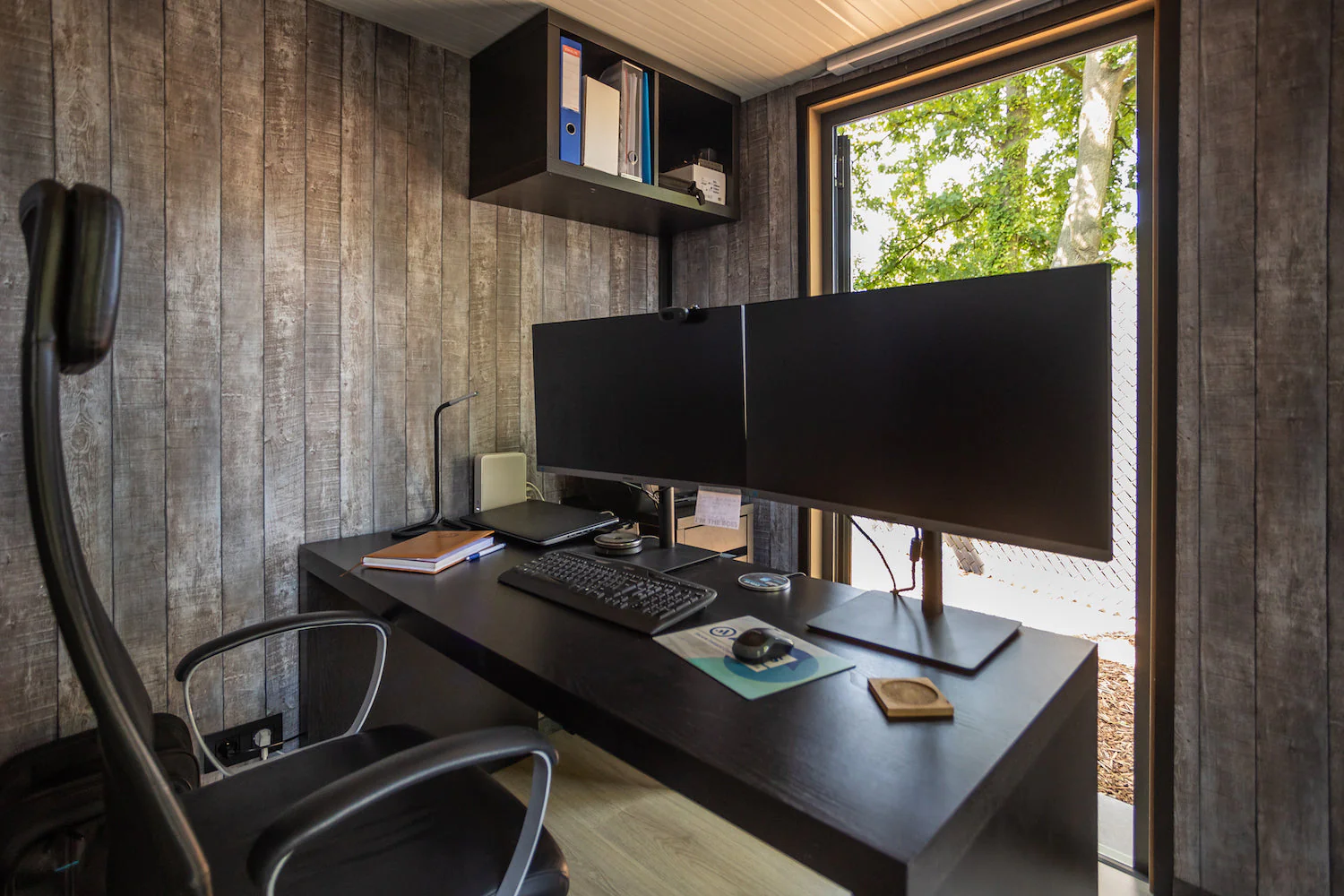
The office fitout process involves designing, constructing, and furnishing an office space to meet specific business requirements. This process directly impacts workplace productivity and efficiency. Research demonstrates that well-designed workspaces increase employee creativity, improve collaboration, and reduce stress levels.
A quality fitout also enhances employee job satisfaction and performance while creating a positive impression on clients and visitors. Beyond visual appeal, office fitouts must prioritize functionality and adaptability. As businesses grow and evolve, their spatial and operational needs change.
Flexible workspaces that can be reconfigured allow companies to adjust their environments without major renovations. This adaptability is particularly valuable in today’s competitive business landscape, where organizational agility provides a strategic advantage. Therefore, investing in an effective office fitout in Wollongong supports both current operations and future business growth by creating an environment suited to modern work practices.
Choosing the Right Office Fitout Company
Selecting the right office fitout company is a pivotal decision that can influence the success of the entire project. A reputable fitout contractor should possess a deep understanding of the industry, along with a proven track record of delivering high-quality results. When evaluating potential companies, it is essential to consider their experience in handling projects similar to yours.
This includes assessing their portfolio, client testimonials, and case studies that demonstrate their ability to meet deadlines and stay within budget. Additionally, effective communication is a hallmark of a successful fitout partnership. The chosen company should be willing to listen to your ideas and requirements while also providing valuable insights based on their expertise.
A collaborative approach ensures that the final design aligns with your vision while also incorporating practical solutions that enhance functionality. Furthermore, it is advisable to inquire about their project management processes, as a well-organized team can streamline the fitout process and minimize disruptions to your business operations.
Designing a Functional and Aesthetic Workspace
The design of an office space should strike a balance between functionality and aesthetics. A functional workspace is one that facilitates workflow, encourages productivity, and meets the specific needs of its users. This involves careful consideration of layout, furniture selection, and the overall flow of the space.
For example, an open-plan layout may foster collaboration among teams, while designated quiet areas can provide employees with spaces for focused work. The arrangement of desks, meeting rooms, and communal areas should promote ease of movement and accessibility. On the aesthetic side, the visual appeal of an office can significantly impact employee morale and client perceptions.
Color schemes, lighting, and decor all contribute to the overall ambiance of the workspace. For instance, incorporating natural light through large windows or skylights can create a more inviting atmosphere while also improving employee well-being. Additionally, integrating elements such as artwork or plants can enhance the aesthetic appeal and contribute to a more vibrant work environment.
Ultimately, the design should reflect the company’s brand identity while also creating an inspiring space for employees.
Maximizing Space and Storage Solutions
In many urban environments, office space comes at a premium, making it essential to maximize every square foot effectively. For example, an online retailer selling graphics tees such as ANTIFA t-shirts, would need lots of storage space. Efficient space utilization involves strategic planning to ensure that each area serves a purpose while avoiding clutter. One approach is to implement flexible workstations that can be adjusted based on team size or project requirements.
This adaptability allows businesses to make the most of their available space without compromising on comfort or functionality. Storage solutions are another critical component of maximizing office space. A well-organized workspace not only looks better but also enhances productivity by reducing time spent searching for documents or supplies.
Incorporating built-in storage options such as cabinets, shelves, and drawers can help keep the office tidy while providing easy access to essential items. Additionally, utilizing vertical space through wall-mounted storage or overhead cabinets can free up floor space for other uses. By thoughtfully considering both layout and storage solutions, businesses can create an efficient workspace that meets their operational needs.
Incorporating Technology and Connectivity
In today’s digital age, technology plays an integral role in shaping modern workplaces. An effective office fitout must incorporate advanced technology solutions that enhance connectivity and streamline operations. This includes ensuring robust internet connectivity throughout the office, as well as integrating smart technologies that facilitate communication and collaboration among team members.
For instance, equipping meeting rooms with video conferencing tools allows remote employees to participate seamlessly in discussions, fostering inclusivity. Moreover, the integration of technology extends beyond communication tools; it also encompasses smart building systems that optimize energy efficiency and comfort. Automated lighting systems that adjust based on occupancy or natural light levels can reduce energy consumption while enhancing employee comfort.
Additionally, implementing security systems such as access control and surveillance cameras ensures a safe working environment for all employees. By prioritizing technology in the fitout process, businesses can create a future-ready workspace that supports innovation and efficiency.
Creating a Comfortable and Ergonomic Environment
Employee comfort is paramount in fostering a productive workplace. An ergonomic environment minimizes physical strain and discomfort, which can lead to increased job satisfaction and reduced absenteeism. When designing an office fitout, it is crucial to consider ergonomic furniture options such as adjustable desks and chairs that support proper posture.
Providing employees with the ability to customize their workstations according to their preferences can significantly enhance comfort levels. In addition to furniture choices, other factors contribute to creating a comfortable workspace. Temperature control is essential; offices should be equipped with heating and cooling systems that allow for individual adjustments based on personal preferences.
Furthermore, noise levels can impact concentration; incorporating sound-absorbing materials or designated quiet zones can help mitigate distractions. By prioritizing comfort and ergonomics in the office design, businesses can cultivate an environment where employees feel valued and motivated to perform at their best.
Promoting Collaboration and Communication
A well-designed office fitout should actively promote collaboration and communication among employees. Open spaces that encourage interaction can foster teamwork and creativity by breaking down silos between departments. Incorporating communal areas such as lounges or breakout spaces provides employees with informal settings to brainstorm ideas or engage in discussions outside of traditional meeting rooms.
Moreover, technology plays a crucial role in facilitating communication within the workplace. Implementing collaborative tools such as shared digital platforms or project management software allows teams to work together more effectively, regardless of their physical location. Additionally, creating designated spaces for brainstorming sessions or workshops encourages innovative thinking and collaboration among team members.
By designing an office that prioritizes collaboration and communication, businesses can harness the collective intelligence of their workforce.
Maintaining and Updating the Workspace
The process of maintaining an office fitout does not end once the initial design is complete; ongoing maintenance and updates are essential for ensuring that the workspace remains functional and appealing over time. Regular assessments of the office environment can identify areas for improvement or necessary repairs. This proactive approach helps prevent larger issues from arising and ensures that employees continue to work in a safe and comfortable setting.
Updating the workspace periodically is also vital in keeping pace with changing business needs or trends in workplace design. As companies grow or evolve, their spatial requirements may shift; therefore, being open to reconfiguring layouts or refreshing decor can reinvigorate the work environment. Additionally, staying informed about advancements in technology allows businesses to integrate new tools that enhance productivity and connectivity.
By committing to regular maintenance and updates, organizations can create a dynamic workspace that adapts to their evolving needs while continuing to inspire employees.
