

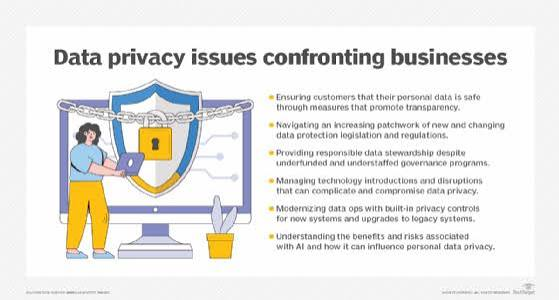
In the modern digital era, data has become one of the most valuable resources for individuals, businesses, and organizations. Every day, millions prozone cc of people share personal information online through banking platforms, shopping websites, social media networks, and digital services. Businesses rely on this information to improve customer experiences, process payments, and provide efficient services.
However, the growing importance of digital information has also created significant cybersecurity challenges. Cybercriminals continuously search for ways to access, steal, and misuse sensitive data. Underground cybercrime environments, including platforms discussed in cybersecurity reports under names such as Prozone CC, highlight the risks associated with stolen information and the importance of strong data protection practices.
While individual cybercrime platforms may change over time, the security lessons remain the same. Protecting sensitive information requires a combination of advanced technology, responsible digital behavior, and continuous awareness from both organizations and consumers.
The Importance of Data Protection in the Digital Age
Data protection refers to the practices, technologies, and policies used to secure sensitive information from unauthorized access, misuse, or loss. In today’s connected world, protecting data is essential because almost every digital activity involves the exchange of information.
Personal and business data may include:
- Names and contact details.
- Financial information.
- Account credentials.
- Customer records.
- Business documents.
- Transaction details.
- Personal identification information.
When this information is exposed, the consequences can be serious. Individuals may face privacy violations and financial risks, while businesses may experience legal challenges, financial losses, and damage to their reputation.
Data protection is no longer an optional security measure. It is a fundamental requirement for maintaining trust in the digital economy.
Understanding the Risks Associated With Stolen Information
Cybercriminals view personal information as a valuable asset because it can be used for multiple fraudulent purposes. Stolen data may be sold, shared, or combined with information from other sources to create more detailed profiles of victims.
Some common risks associated with stolen information include:
Identity Theft
Criminals may use personal information to impersonate individuals and attempt unauthorized activities. Identity theft can create long-term challenges for victims and may require significant effort to resolve.
Financial Fraud
Compromised payment information or financial details can contribute to unauthorized transactions and other fraudulent activities.
Account Takeovers
When login credentials are exposed, attackers may attempt to gain control of online accounts. This can affect email accounts, shopping profiles, financial services, and business systems.
Targeted Scams
Cybercriminals often use stolen information to create more convincing phishing messages. Personal details can make fraudulent communications appear more legitimate.
How Data Becomes Vulnerable
Information can become exposed through several different methods. Cybercriminals often combine technical attacks with social engineering techniques to achieve their goals.
Data Breaches
A data breach occurs when unauthorized individuals gain access to protected information. Organizations may experience breaches because of:
- Software vulnerabilities.
- Weak security controls.
- Poor access management.
- Misconfigured systems.
- Insider threats.
Large databases containing customer information are attractive targets because they may contain millions of records.
Phishing Attacks
Phishing remains one of the most common cybersecurity threats. Attackers create fake emails, websites, or messages designed to trick users into revealing sensitive information.
Common examples include fake:
- Account security alerts.
- Payment notifications.
- Customer support messages.
- Password reset requests.
Awareness and careful verification are important defenses against phishing.
Malware and Unauthorized Access
Malicious software can compromise devices and networks, allowing attackers to steal information or monitor activity. Malware infections may occur when users download unsafe files, visit suspicious websites, or fail to update software.
Keeping systems secure through updates and reliable security tools reduces exposure to these risks.
The Broader Security Concerns Highlighted by Cybercrime Platforms
Cybercrime platforms discussed in security communities, including those associated with names like Prozone CC, represent a larger issue within the digital threat landscape. The concern is not only the existence of a specific platform but the way underground ecosystems allow stolen information to circulate.
These environments create several challenges:
Long-Term Exposure of Data
Once information is compromised, it may continue creating risks even after the original security incident has been resolved.
Difficulty Controlling Data Distribution
Organizations and individuals often have limited ability to track where stolen information goes after exposure.
Increased Complexity of Cyber Threats
Cybercriminal networks often operate through specialized roles, making attacks more organized and difficult to prevent.
These challenges demonstrate why preventing data exposure is more effective than attempting to recover from a breach after it occurs.
Why Businesses Must Prioritize Data Protection
Businesses have a responsibility to protect customer and employee information. A strong data protection strategy helps reduce cybersecurity risks and maintain customer confidence.
Important security practices include:
Encryption
Encryption protects sensitive information by converting it into a secure format that unauthorized users cannot easily access. It is especially important for protecting data during storage and transmission.
Access Control
Organizations should limit access to sensitive information based on employee responsibilities. Not every user should have access to all company data.
Multi-Factor Authentication
Multi-factor authentication provides additional protection by requiring users to verify their identity through multiple methods.
Security Monitoring
Continuous monitoring helps organizations identify unusual activity and respond quickly to potential threats.
Employee Training
Employees play an important role in cybersecurity. Regular training helps staff recognize phishing attempts, follow security procedures, and handle sensitive information responsibly.
How Consumers Can Protect Their Personal Information
Individuals also have an important role in maintaining data security. Simple cybersecurity habits can significantly reduce exposure to threats.
Consumers should consider the following practices:
Use Strong Passwords
Using unique passwords for each account reduces the impact of a compromised password. Password managers can help users create and store secure credentials.
Enable Multi-Factor Authentication
Additional verification methods provide stronger protection against unauthorized access.
Be Careful Online
Users should avoid clicking suspicious links, downloading unknown files, or sharing sensitive information through unverified channels.
Monitor Accounts Regularly
Checking financial statements, account activity, and security notifications helps identify suspicious behavior quickly.
Limit Information Sharing
Sharing unnecessary personal details online can increase exposure to potential threats.
The Role of Technology in Modern Data Security
Technology continues to play an important role in protecting information. Organizations are adopting advanced solutions to improve security and respond to evolving threats.
Important technologies include:
- Artificial intelligence-based threat detection.
- Behavioral analytics.
- Automated security monitoring.
- Advanced encryption methods.
- Zero-trust security models.
These technologies help organizations identify threats faster and strengthen their overall security posture.
Building a Culture of Cybersecurity Awareness
Strong cybersecurity requires more than technical solutions. A security-focused culture encourages individuals and organizations to take responsibility for protecting information.
A strong cybersecurity culture includes:
- Regular education.
- Clear security policies.
- Responsible data handling.
- Quick reporting of suspicious activity.
- Continuous improvement.
When everyone understands the importance of data protection, the overall security environment becomes stronger.
The Future of Data Protection
As digital services continue to expand, data protection will remain a major priority. Cybercriminals will continue developing new methods to exploit weaknesses, but cybersecurity professionals will continue creating stronger defenses.
Future security strategies will likely focus on:
- Smarter threat detection.
- Stronger identity verification.
- Improved privacy protection.
- More secure digital payment systems.
- Greater collaboration between organizations and security experts.
The ability to protect information will remain essential for maintaining trust in the digital world.
Conclusion
The security concerns surrounding platforms like Prozone CC highlight a much larger issue: the growing importance of protecting sensitive information in prozone.st an interconnected world. Stolen data can create serious risks for individuals, businesses, and organizations, making cybersecurity a shared responsibility.
Businesses must invest in strong security practices, including encryption, access controls, monitoring, and employee education. Consumers must also protect their personal information through careful online habits and secure account management.
Data protection matters because information represents trust, privacy, and security. By understanding cybersecurity risks and adopting effective protection strategies, society can create a safer and more reliable digital future.
