

Online payment fraud remains a serious challenge for businesses, financial institutions, payment processors, and consumers. Names such as “Castro CC” and “Castrocvv” may appear in discussions about alleged underground card-fraud activity, but the more important issue is how organizations respond to the broader threat of stolen payment information.
As digital commerce continues to grow, companies are investing in stronger fraud-prevention systems, improved monitoring, and better customer protection. The goal is to identify suspicious activity earlier, reduce financial losses, and make payment systems more resilient.
Understanding the Broader Fraud Challenge
Payment fraud can occur when criminals obtain or misuse financial information without authorization. Information may be exposed through:
- Phishing
- Malware
- Data breaches
- Social engineering
- Compromised accounts
- Fraudulent websites
The methods can vary, but the impact can affect consumers, merchants, banks, and payment providers.
How Organizations Detect Suspicious Activity
Modern fraud prevention often relies on analyzing patterns rather than examining individual transactions in isolation.
Organizations may monitor:
- Unusual transaction locations
- Sudden changes in spending behavior
- Multiple failed payment attempts
- Unusual login activity
- New devices or locations
- Rapid changes to account information
When activity differs significantly from normal behavior, additional verification may be required.
The Role of Real-Time Monitoring
Traditional fraud investigations often occurred after a suspicious transaction had already taken place. Today, organizations increasingly use real-time monitoring to identify risks as transactions occur.
Real-time systems can help organizations:
- Flag unusual activity
- Request additional verification
- Temporarily pause suspicious transactions
- Alert customers
- Investigate potential account compromise
Speed is important because fraud can happen quickly.
Stronger Authentication
Authentication is another important part of fraud prevention.
Organizations may use:
- Multi-factor authentication
- Device verification
- Biometric security
- One-time verification codes
- Risk-based authentication
These methods can make it more difficult for unauthorized users to access accounts, even when a password has been compromised.
The Importance of Data Protection
Preventing fraud also requires protecting the information criminals may attempt to steal.
Organizations should consider:
- Limiting access to sensitive data
- Encrypting information appropriately
- Monitoring unusual access patterns
- Maintaining updated security systems
- Conducting regular security assessments
Strong data protection can reduce the impact of potential breaches.
How Businesses Protect Customers
Businesses can help reduce fraud by combining technology with clear customer communication.
Useful measures include:
Transaction Alerts
Customers can receive notifications about purchases, login attempts, and other important account activity.
Clear Fraud-Reporting Procedures
Customers should know how to report suspicious activity and reach the organization through official channels.
Employee Training
Employees should be trained to recognize phishing, social engineering, and other common attack methods.
Secure Account Recovery
Account-recovery processes should balance convenience with strong identity verification.
The Role of Cybersecurity Research
Cybersecurity researchers help organizations understand emerging fraud patterns and improve defensive systems.
Research may support:
- Better threat intelligence
- Improved fraud-detection models
- Stronger authentication
- Faster incident response
- More effective consumer education
Responsible research focuses on understanding threats without providing operational details that could enable illegal activity.
The Importance of Industry Collaboration
Financial fraud often crosses organizational boundaries. A suspicious transaction may involve a consumer, merchant, payment processor, bank, and technology provider.
Cooperation can help organizations:
- Identify broader fraud patterns
- Share appropriate threat intelligence
- Improve detection systems
- Respond to incidents more quickly
Collaboration is especially important as criminals adapt their methods across different platforms and services.
What Consumers Can Do
Organizations can build strong security systems, but consumers also play an important role.
Individuals should:
- Use unique passwords for important accounts.
- Enable multi-factor authentication.
- Monitor transactions regularly.
- Avoid suspicious links and messages.
- Never share passwords or one-time security codes.
- Keep devices and applications updated.
- Contact financial institutions through official channels when fraud is suspected.
These simple practices can reduce the risk of account compromise.
Why Responsible Reporting Matters
Discussions about alleged card-fraud networks should focus on education, prevention, and victim protection. Publishing access instructions or operational details could increase the risk of criminal misuse.
Responsible coverage instead examines:
- How fraud affects victims
- How organizations detect suspicious activity
- How security systems can be improved
- How consumers can protect themselves
- How the financial industry responds to emerging threats
This approach helps increase awareness without promoting illegal activity.
Looking Ahead
Fraud prevention will continue to evolve as payment systems become more digital and connected. Organizations are likely to increase their use of automation, behavioral analysis, real-time monitoring, and stronger authentication.
However, technology alone cannot eliminate fraud. Effective prevention requires cooperation among businesses, financial institutions, cybersecurity professionals, technology providers, regulators, and consumers.
Final Thoughts
The broader discussions surrounding names such as “Castro CC” and “Castrocvv” highlight the continuing threat posed by stolen payment information. The most important response is not to promote alleged criminal networks, but to strengthen the systems designed to detect and prevent financial crime.
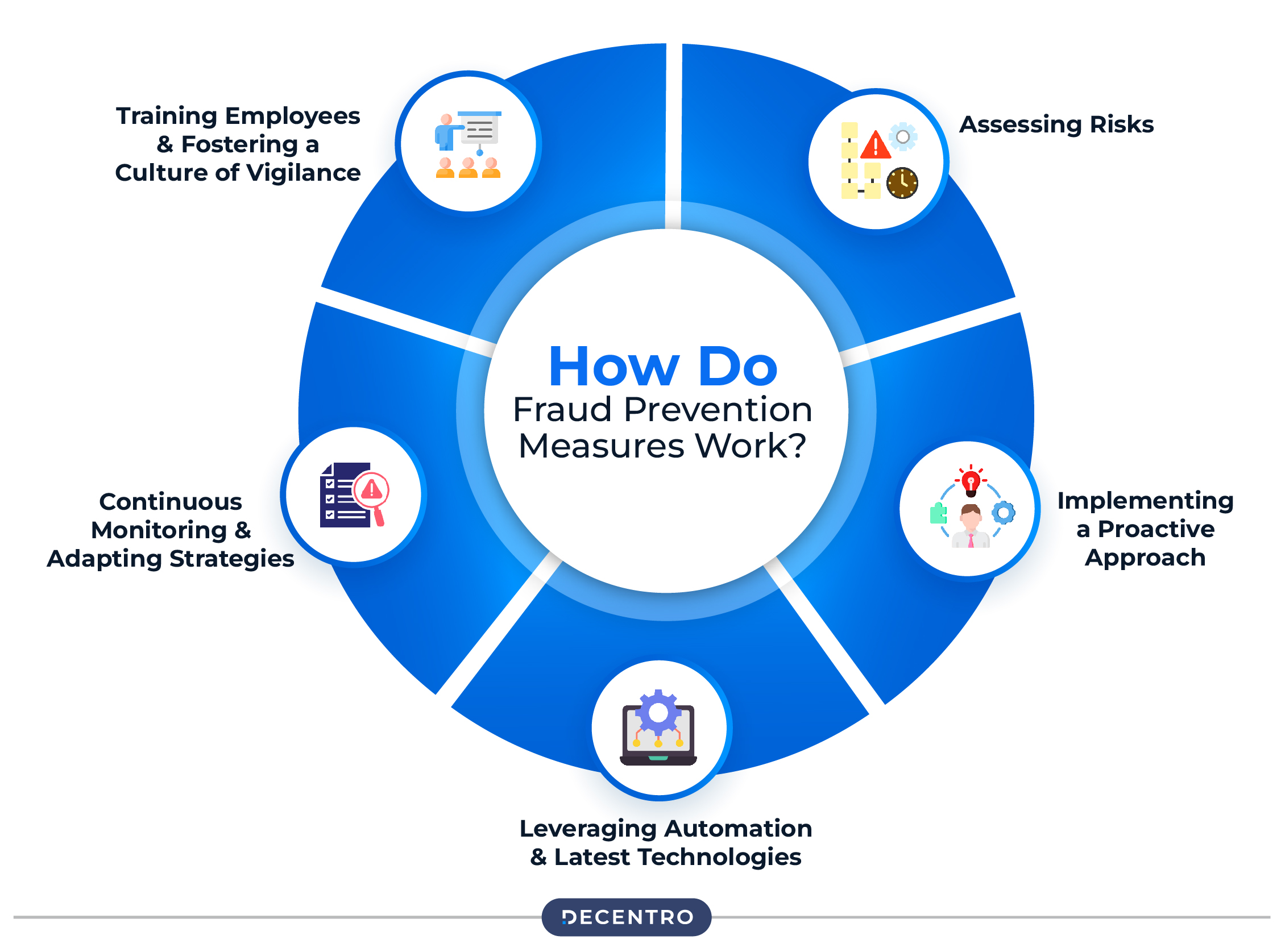
Organizations can reduce risk through real-time monitoring, strong authentication, data protection, employee training, customer alerts, and industry collaboration.
As digital payments continue to grow, effective fraud prevention will remain a shared responsibility. Stronger security practices can help protect consumers, businesses, and the trust that supports the modern digital economy.
