

Somewhere in the last two weeks of September, the light gives up early. The evening that used to stretch past dinner now closes its doors before the dishes are done, and the porch, the park and the sidewalk empty out an hour sooner than they did in July. For a lot of people, the first reaction is a small grief. The second, quieter reaction is something closer to relief. The day has a clear end again, and the body seems to know what to do with it.
That second reaction is what has lifestyle writers, sleep-curious readers and a fair number of tired parents paying attention this year. The season that dresses itself in cardigans and candlelight may be doing more than looking good. It appears to be nudging ordinary people, without any app or program, toward evenings that are darker, slower and better suited to actually falling asleep.
The season that ends the day for you
Summer evenings are generous and a little chaotic. With daylight running past eight or nine o’clock, dinner drifts later, errands get squeezed in at dusk, and bedtime becomes a negotiation with a sky that refuses to cooperate. Autumn removes the negotiation. When it is fully dark by seven, staying up feels like a choice rather than a default, and the choice is easier to decline.
People who track their own habits, even loosely, tend to describe the same shift in the same words. They eat earlier because it feels like night. They stop running errands because the stores feel closed even when they are open. They come home and stay home. None of this is planned. It is the calendar doing the work that willpower usually fails to do.
The cultural wrapping around this is what most people now call the fall aesthetic, the whole collection of warm lamps, wool socks, simmering pots and blankets on the couch that floods social feeds every September. It is easy to dismiss as decoration. Looked at from a sleep perspective, though, it reads almost like a set of instructions. Dim the lights. Warm the colors. Slow down. Stay in.
Why darker evenings matter more than we admit
The basic idea is not complicated and does not require a laboratory to explain. Bright light in the evening tells the body it is still daytime. Dim, warm light tells it the day is ending. Modern homes are very good at the first and very bad at the second, with overhead fixtures, glowing screens and white kitchen bulbs that make nine at night look like noon.
Fall changes the baseline. The sun handles the outdoor half of the problem on its own, and the season’s habits tend to handle the indoor half. A person who lights a candle and turns on a single table lamp because it feels cozy has, whether they meant to or not, lowered the light in the room to a level that helps the evening feel like an evening. A person who swaps a cold glass of something for a warm mug is holding a cue that says wind down. The fall aesthetic, for all its styling, keeps arriving at the same practical conclusion that sleep advice has been repeating for years.
What is different this season is that people seem to be noticing the connection. Conversations that used to be about which candle smells best are turning into conversations about what time the lamps go on, whether the phone stays in the kitchen, and why bedtime feels less like a fight than it did in August.
What people are actually doing after dark
Walk through a residential neighborhood at half past seven on an October evening and the windows tell the story. Fewer bright ceiling lights. More lamps. The blue flicker of a television is still there, but it is often paired with a lit candle on a side table, which is a strange and telling combination. People are not giving up their screens. They are surrounding them with softer light.
Inside those homes, a few patterns come up again and again in casual conversation. Dinner is happening earlier and taking longer. Hot drinks have replaced late snacks for some households, partly because a mug of something spiced feels like the right thing to hold in a dark room. Blankets that were folded away in May are back on couches and beds, and the bedroom window that stayed open all summer is being cracked just enough to let in cool air while the rest of the house stays warm.
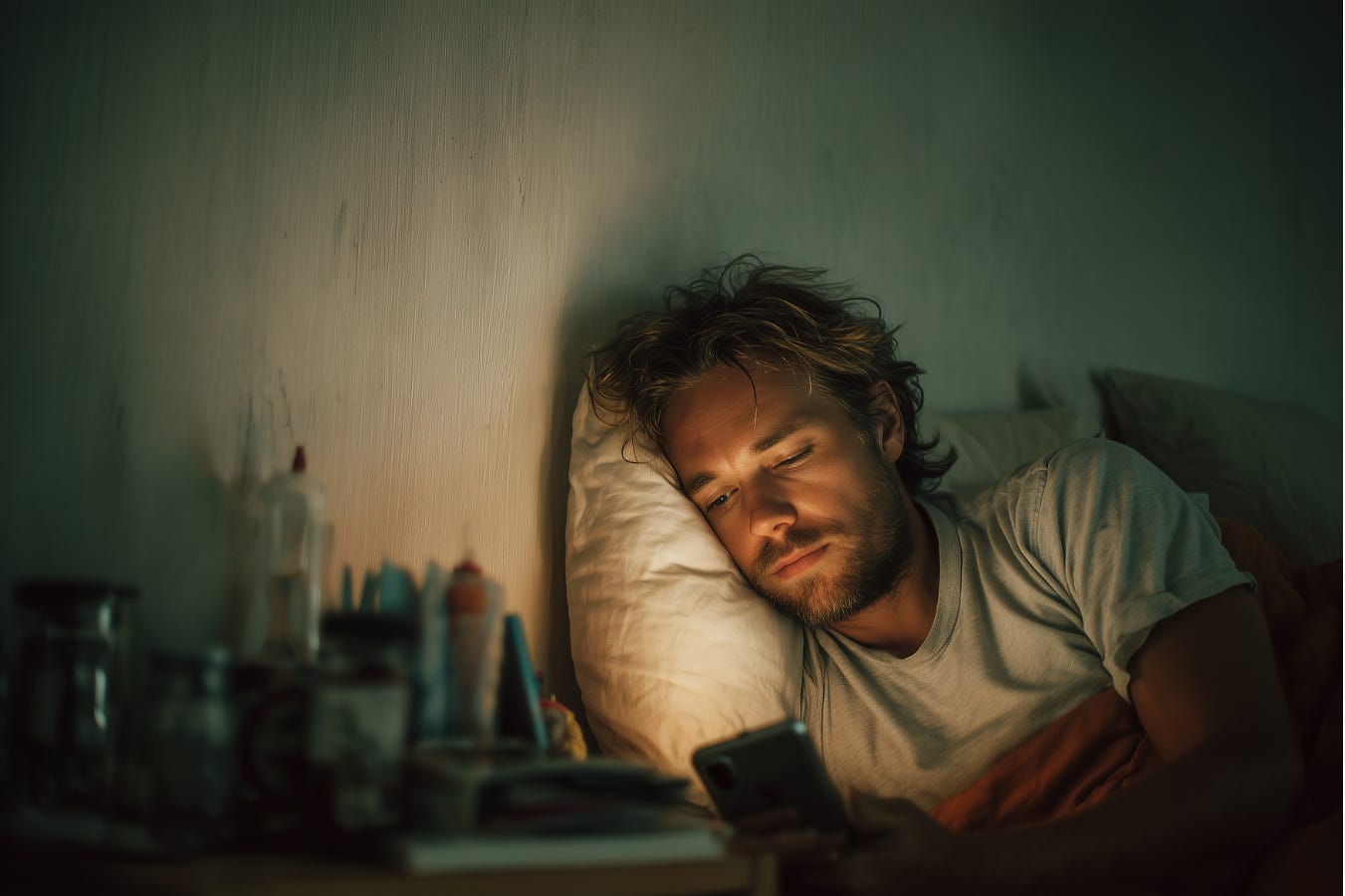
Readers who love a cozy fall aesthetic have also, almost by accident, adopted a screen habit that sleep-minded people have recommended for a long time. Many describe a loose rule that the phone goes on a charger somewhere other than the nightstand once the candles are lit. It is not framed as discipline. It is framed as mood. The phone’s glare simply looks wrong next to a warm lamp, so it gets put away.
The morning side of the equation
The conversation about fall and sleep usually focuses on evenings, but the season’s other gift is a later, gentler sunrise that lines up better with most alarm clocks. In midsummer, daylight arrives long before anyone wants it. In autumn, the morning light shows up closer to the moment people are actually getting out of bed, which makes the first hour of the day feel less like a fight with the curtains.
People who have started paying attention to this are treating the first stretch of morning light as a resource. A short walk before work, a cup of coffee on the step, or even opening the blinds fully before checking a phone all show up as small habits that get easier when the sun cooperates. The trick that seems to work is simple. Get some real daylight early, and the body has a clearer sense of when the day began, which makes it easier to feel tired at a sensible hour that night.
There is also the matter of temperature. Cooler nights and cool mornings tend to make sleep deeper and waking more crisp, which is part of why so many people say autumn is the one season when they sleep well without trying. The heavier blanket over a cool room is not just a photograph. It is a fairly good setup for rest.
Where the cozy season can backfire
None of this is automatic, and the same season that helps sleep can quietly wreck it. The obvious culprit is the late-night movie marathon. Autumn is famous for its films, and a two-movie evening that starts at eight does not end at a reasonable hour. The dark room and soft blanket that make the film feel perfect can also make it very easy to lose track of time until well past midnight.
Caffeine is the second trap. The season’s drinks are wonderful, and many of them are built on coffee or strong tea. A spiced latte at four in the afternoon feels seasonal and harmless, but for people who are sensitive to caffeine it can push bedtime back without anyone connecting the two. The fix that keeps coming up is a soft switch around mid-afternoon, from anything with a kick to something warm and herbal, so the evening cup is about comfort rather than a jolt.
The third issue is heat. Homes get sealed up and the thermostat goes up with them, and a bedroom that is too warm undoes much of the good that cool autumn nights offer. People who sleep best in fall tend to describe the same arrangement: a cooler bedroom than the rest of the house, a heavier blanket to compensate, and a window opened a crack if the weather allows. Cozy, in other words, should describe the bedding and not the air.
Small changes that seem to stick
Ask people who feel they are sleeping better this fall what they changed, and very few will point to a single dramatic step. Instead they describe a set of small adjustments that happened to line up with the season. Lamps instead of overhead lights after dinner. Warm-toned bulbs in the one or two rooms where evenings actually happen. A wind-down drink that does not contain caffeine. A phone that sleeps somewhere other than the pillow.
The interesting part is how many of these adjustments are borrowed directly from the fall aesthetic playbook without anyone treating them as health advice. The season makes the healthier choice the prettier one. A dim, warm, candlelit living room is what people want anyway, and it turns out to be the room most likely to leave them yawning by ten.
For readers who want a starting point rather than a rulebook, the team at WellnessZing put together a guide to getting into the season’s mood that leans on lighting, drinks, outfits and the general art of staying in, and most of its suggestions double as decent evening habits. The point is not to build a perfect routine. The point is that the season has already done half the work, and the rest is mostly a matter of not undoing it with a bright kitchen and a late espresso.
What the darker months could teach the rest of the year
The obvious question is what happens when the novelty wears off, or when the deep dark of December turns cozy into gloomy for some people. Autumn’s advantage is that it is dark enough to end the day but not so dark that it swallows the morning, and that balance is temporary. Winter will test whether the habits people are enjoying right now are truly habits or just seasonal mood.
Still, there is reason for a little optimism. Once someone has felt the difference between a bright, screen-lit, over-warm evening and a dim, cool, quiet one, they tend not to forget it. The lamps stay plugged in. The heavier blanket stays on the bed. The idea that the day should have an ending, and that the ending should be softer than the middle, tends to survive the season that introduced it.
If fall has a lesson to offer about sleep, it is that the environment does most of the work when we let it. Earlier sunsets are not something anyone chose, but they are handing millions of people a nightly reminder that darkness is a signal and not a problem. The people who are sleeping better this autumn are, for the most part, simply listening to it. The rest of the year could stand to borrow the habit.
