

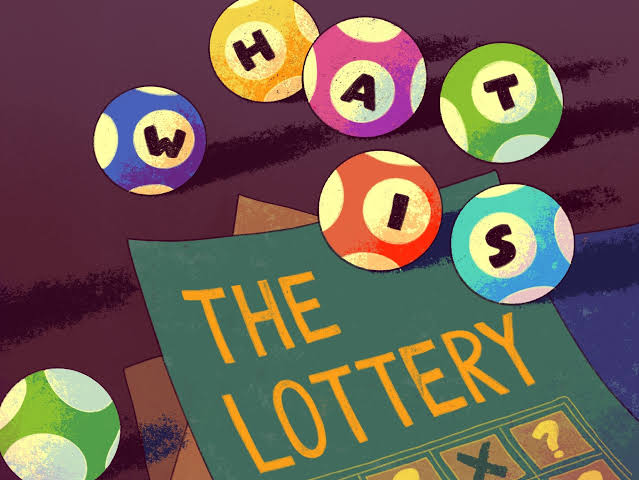
Few games create as much anticipation as the lottery. A simple ticket can give people something to look forward to, especially when a large jackpot is advertised. Although the chances of winning a major prize may be small, the combination of possibility and suspense has made lottery games popular across many countries.
What Is a Lottery?
A lottery is a game in which prizes are distributed among participants through a random selection process. Depending on the game, players may choose numbers, select symbols, or receive randomly generated entries. After ticket sales end, an official drawing determines the winning combination.
Different lotteries have different formats. Some offer fixed prizes, while others build progressive jackpots as more tickets are sold. Many also include several prize categories, allowing participants to win smaller amounts for matching part of the required combination.
The Psychology of the Jackpot
The biggest attraction of a lottery is often the dream behind the prize. People naturally imagine how their lives could change after receiving a substantial amount of money.
A jackpot might inspire plans to purchase a home, start a business, travel, support relatives, or build long-term savings. Even before the draw takes place, thinking about these possibilities can create excitement.
However, imagining a future win should not be confused with expecting one. The outcome remains uncertain, and there is no method that can reliably predict the winning numbers.
Why Probability Matters
Probability is an important part of understanding lottery games. The more possible combinations a game has, the harder it may be to match togel99 the complete winning combination.
Previous draws do not make a particular number “due” to appear. Likewise, frequently drawn numbers are not automatically more likely to win in the next draw. Each draw is governed by the rules and random process of that particular lottery.
Understanding these principles can help participants make informed decisions rather than relying on misleading promises or supposed guaranteed systems.
Playing Within Your Limits
Responsible lottery participation means treating tickets as entertainment. Before buying a ticket, participants can establish a spending limit that fits comfortably within their personal budget.
It is important not to use money needed for everyday necessities or attempt to recover losses by spending increasingly large amounts. No lottery strategy can turn uncertain outcomes into guaranteed income.
The Rise of Online Lottery Services
Technology has changed the way people access lottery information. Where online participation is legally available, authorized platforms can provide ticket services, draw schedules, winning numbers, and prize information.
Digital access can be convenient, but it also creates opportunities for scams. Players should verify that a website or application is officially authorized before providing personal or payment information.
Lottery Revenue and Society
Some lotteries are operated or regulated by governments, with portions of revenue directed toward public programs. Depending on the jurisdiction, these funds may contribute to education, sports, arts, community projects, or other initiatives.
The exact use of lottery revenue varies, so participants should consult official information for details about a particular lottery.
The Final Number
The lottery remains popular because it offers a unique mixture of chance, anticipation, and imagination. A ticket cannot guarantee financial success, but it can provide a small moment of excitement.
The key is balance. By understanding probability, following official rules, using legitimate services, and maintaining a sensible budget, people can enjoy lottery games without treating them as a substitute for sound financial planning.
