

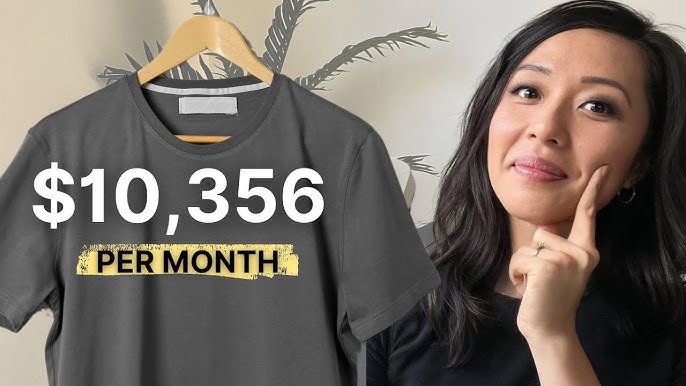
Print-on-demand has become one of the most accessible online business models for beginners who want to start selling products without holding inventory or investing heavily upfront. It has gained massive popularity because it removes many of the traditional barriers to entry in e-commerce, such as manufacturing costs, storage space, and shipping logistics.
In simple terms, print-on-demand allows you to create custom designs for products like t-shirts, mugs, hoodies, posters, and phone cases. When a customer places an order, the product is printed and shipped directly by a third-party supplier. This means you never need to buy inventory in advance, making it possible to start with almost zero upfront investment.
In today’s digital economy, print-on-demand has become especially attractive for creators, freelancers, and entrepreneurs. Many even combine it with global business strategies and later choose to register a company in Hong Kong to scale their operations internationally due to its strong business infrastructure and global credibility.
This guide will explain everything you need to know about print-on-demand, how it works, how you can start with zero budget, and how to build a long-term profitable business model.
Understanding What Print-on-Demand Really Is
Print-on-demand, often abbreviated as POD, is a fulfillment model where products are only created after a customer places an order. Instead of producing hundreds of items in advance, everything is made individually based on demand.
The process is simple. You design a product, upload it to a POD platform, and connect it to an online store. When someone buys your product, the order is automatically sent to the supplier, who prints, packs, and ships it directly to the customer.
You act as the middleman between the customer and the supplier, focusing mainly on design, branding, and marketing.
This model eliminates inventory risk completely, which is why it has become popular among beginners who want to start with minimal financial risk.
Why Print-on-Demand Is So Popular in 2025
Print-on-demand continues to grow in popularity because it fits perfectly into the modern digital economy.
One major reason is low startup cost. You do not need to invest in inventory or equipment. This allows anyone with internet access to start a business.
Another reason is flexibility. You can run a POD business from anywhere in the world without physical limitations.
It also offers creative freedom. You can experiment with different niches, designs, and product types without worrying about financial loss from unsold inventory.
Additionally, global e-commerce platforms and automation tools have made it easier than ever to integrate POD services into online stores.
For entrepreneurs aiming to scale globally, many eventually Register a company in Hong Kong to manage international payments, taxes, and business operations more efficiently.
How Print-on-Demand Works Step by Step
The print-on-demand process is straightforward, even for complete beginners.
First, you create a design. This can be anything from typography quotes to graphic illustrations or niche-specific artwork.
Next, you upload your design to a POD platform such as Printful or Printify.
Then, you connect the POD platform to your online store, which could be Shopify, Etsy, or Amazon.
When a customer places an order, the POD provider automatically receives the order details.
The provider then prints the design on the selected product, packages it, and ships it directly to the customer.
You earn the difference between the retail price and the production cost.
Can You Really Start Print-on-Demand With $0?
Yes, it is possible to start print-on-demand with zero upfront investment, but it requires smart use of free tools and platforms.
You can create designs using free software like Canva. You can also use free mockup generators to showcase your products.
Platforms like Etsy or Redbubble allow you to start selling without building a full website.
However, while starting is possible with $0, scaling usually requires reinvestment into marketing, branding, and better tools.
The key is to focus on organic traffic strategies such as social media marketing, Pinterest, and SEO rather than paid ads in the beginning.
Choosing the Right Niche for Print-on-Demand
Your niche is one of the most important factors in determining success in print-on-demand.
A niche is a specific market segment that you target with your designs.
General designs rarely perform well because they lack emotional connection or identity.
Successful POD businesses often focus on niche audiences such as pet lovers, fitness enthusiasts, gamers, hobby communities, or professionals in specific industries.
The more specific your niche, the easier it is to attract loyal customers.
For example, instead of targeting “dogs,” you might target “golden retriever owners who love funny quotes.”
Creating Designs Without Experience
One of the biggest concerns beginners have is design skills.
The good news is that you do not need to be a professional designer to succeed in print-on-demand.
Free tools like Canva, Photopea, and Kittl allow you to create professional-looking designs easily.
You can also use typography-based designs, which are simple yet highly effective.
Another strategy is to focus on trends and emotional triggers rather than complex artwork.
However, originality is important. Copying other designs can lead to copyright issues and account restrictions.
Setting Up Your Online Store
To sell print-on-demand products, you need an online store or marketplace account.
The easiest platforms for beginners include Etsy, Shopify, and Redbubble.
Etsy is great for organic traffic and handmade-style products.
Shopify gives you full control but requires marketing effort.
Redbubble and similar platforms allow you to upload designs and start selling without building a store.
As your business grows, you may want to expand into a more structured business model and Register a company in Hong Kong to manage international operations professionally.
Pricing Your Print-on-Demand Products
Pricing is a critical part of your business strategy.
You need to consider production cost, platform fees, and your profit margin.
Most print-on-demand products have relatively low production costs, but competition can affect pricing.
A good approach is to analyze competitor pricing and position your products based on value rather than just price.
Higher prices can actually improve perceived quality if your branding is strong.
Marketing Your Print-on-Demand Business
Marketing is where most POD businesses succeed or fail.
Organic marketing is the best starting point for beginners with no budget.
Social media platforms like TikTok, Instagram, and Pinterest are extremely powerful for driving traffic.
Short-form videos showcasing designs or niche humor often perform well.
Search engine optimization also plays a role if you are using a website or Etsy store.
Influencer collaborations can also help you reach targeted audiences quickly.
The key is consistency and testing different content formats.
Common Mistakes Beginners Make
Many beginners fail in print-on-demand because they treat it as a passive income shortcut.
One common mistake is creating random designs without researching demand.
Another mistake is ignoring niche selection and trying to target everyone.
Some beginners also underestimate the importance of branding, which is crucial for long-term success.
Poor product mockups and low-quality visuals can also reduce conversion rates significantly.
Finally, lack of patience is a major issue. Print-on-demand takes time to build momentum.
Scaling a Print-on-Demand Business
Once you start getting consistent sales, the next step is scaling.
This can involve adding more designs, expanding into new niches, or launching new product types.
You can also invest in paid advertising to increase traffic.
Building an email list helps you generate repeat customers.
At a more advanced stage, many entrepreneurs formalize their operations and choose to Register a company in Hong Kong to support international expansion, payment processing, and tax efficiency.
Scaling is not just about increasing sales but also optimizing systems for efficiency.
Print-on-Demand vs Traditional E-Commerce
Print-on-demand differs significantly from traditional e-commerce.
Traditional e-commerce requires inventory, storage, and upfront investment.
Print-on-demand eliminates inventory risk but relies heavily on third-party suppliers.
Profit margins in traditional e-commerce can be higher, but the risk is also greater.
POD is ideal for beginners, while traditional models are often better for scaling established businesses.
The Future of Print-on-Demand
The future of print-on-demand looks promising but competitive.
AI tools are making design creation faster and easier.
Automation is improving order fulfillment and customer experience.
However, competition is also increasing as more entrepreneurs enter the market.
Success will depend more on branding, niche targeting, and storytelling rather than simple design uploads.
Businesses that treat POD as a real brand rather than a side hustle will have the highest chance of long-term success.
Conclusion
Print-on-demand is one of the easiest ways to start an online business with no upfront inventory costs. It allows anyone to turn creative ideas into real products and sell them globally without handling logistics.
While it is possible to start with $0, success depends on niche selection, design quality, marketing strategy, and consistency.
For entrepreneurs looking to scale internationally, choosing to Register a company in Hong Kong can provide additional advantages in terms of global business structure, payment systems, and credibility.
Print-on-demand is not a get-rich-quick system, but it is a powerful entry point into e-commerce for anyone willing to learn and adapt.
FAQs About Print-on-Demand
What is print-on-demand in simple terms?
Print-on-demand is a business model where products are created and shipped only after a customer places an order, eliminating the need for inventory.
Can I really start print-on-demand with no money?
Yes, you can start with free design tools and marketplaces that do not require upfront investment, although scaling usually requires reinvestment.
Do I need design skills for print-on-demand?
No, basic design tools like Canva make it easy for beginners to create simple and effective designs without professional experience.
What products can I sell with print-on-demand?
You can sell t-shirts, hoodies, mugs, posters, phone cases, tote bags, and many other customizable products.
How do I get customers for print-on-demand products?
You can use social media marketing, SEO, influencer collaborations, and marketplace traffic to attract customers.
Is print-on-demand still profitable in 2025?
Yes, it is still profitable, but success depends on niche selection, branding, and marketing strategy rather than just uploading designs.
Do I need a company for print-on-demand?
Not always at the beginning, but having a registered business helps with scaling, payments, and credibility. Many sellers choose to Register a company in Hong Kong for international operations.
You should also read: TechAiTech
